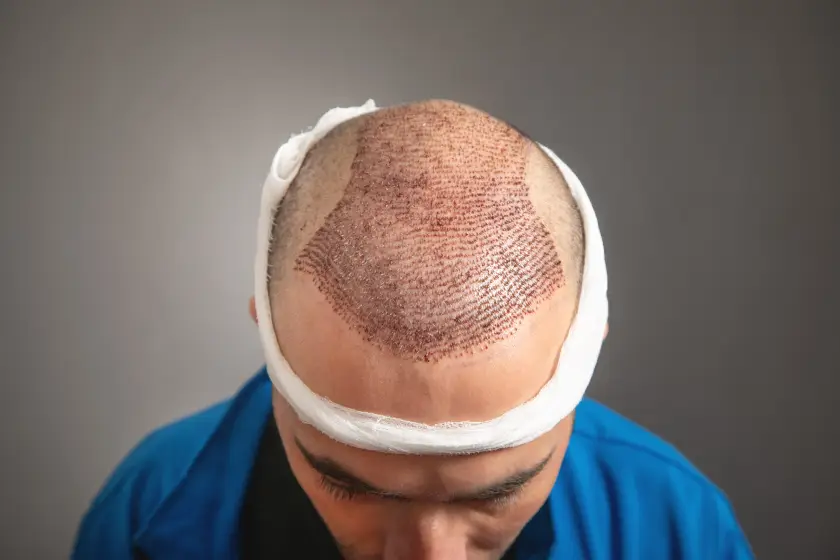

Hair loss is a common concern affecting both men and women. Thanks to modern medical advancements, hair transplantation has become a highly effective and long-lasting solution. In recent years, the concept of “Fair Hair Transplant” has gained attention—focusing on natural results, ethical practice, and realistic expectations rather than overpromising density or exaggerated transformations.
In this article, we explore what fair hair transplantation means, who it is suitable for, and why this balanced approach is becoming increasingly popular.
What Is Fair Hair Transplant?
A Fair Hair Transplant refers to a patient-centered and ethically planned hair restoration procedure that prioritizes:
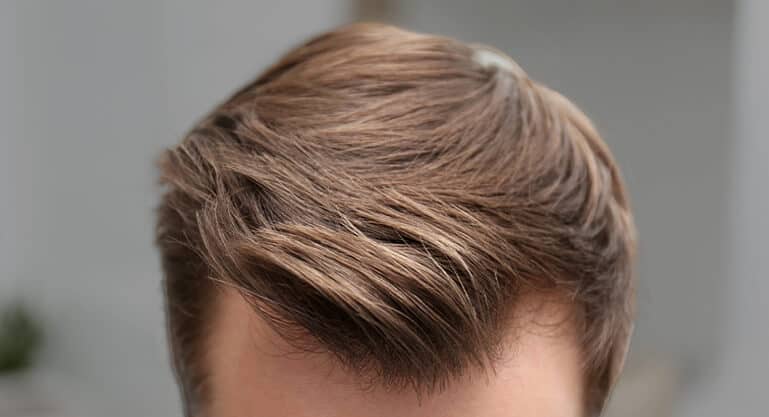
- Natural-looking hairlines
- Balanced and sustainable graft planning
- Protection of the donor area
- Honest communication about achievable results
- Long-term hair health
Rather than transplanting the maximum possible number of grafts in a single session, the focus is on creating proportionate density while preserving donor capacity for the future.
Why Is a Fair Approach Important?
Hair transplantation is not just about density—it’s about design, harmony, and long-term strategy.
1. Natural Hairline Design
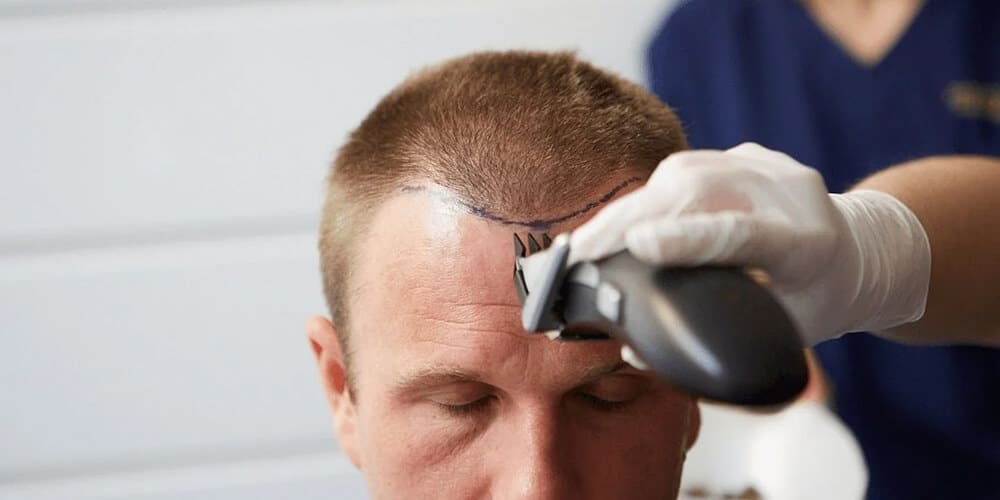
A fair transplant avoids overly low or artificial hairlines. The hairline is designed according to:
- Age
- Facial proportions
- Future hair loss risk
This ensures the result looks natural not only today, but also years later.
2. Donor Area Protection
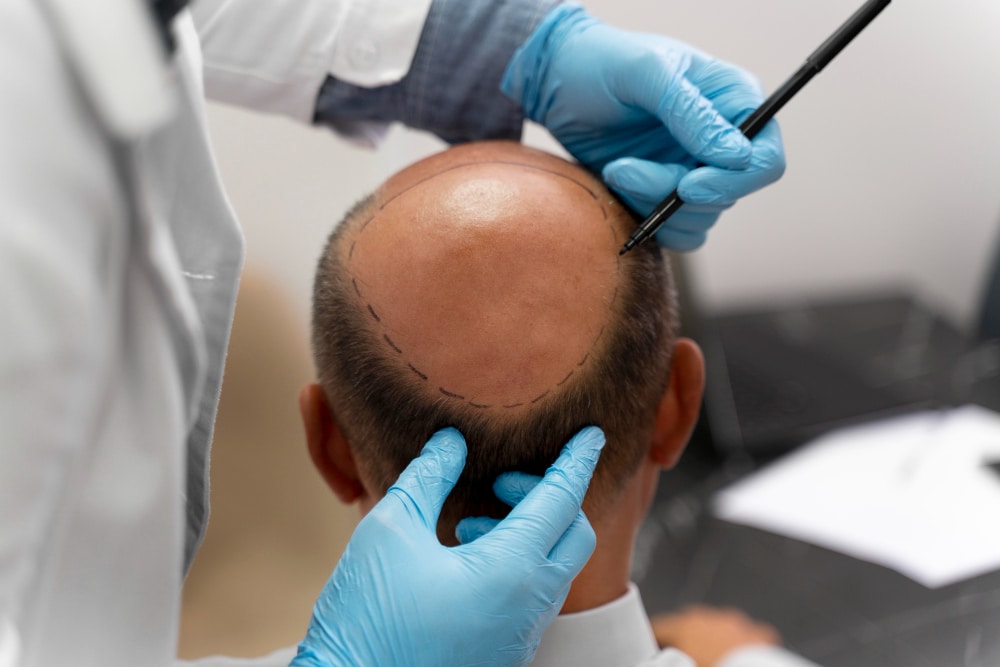
The donor area (usually the back of the scalp) has limited graft capacity. Overharvesting can cause visible thinning. A fair approach ensures:
- Even extraction
- No patchy appearance
- Preservation for possible future procedures
3. Realistic Density Planning
Instead of promising extreme density in one session, grafts are distributed strategically for balanced coverage.
Techniques Used in Fair Hair Transplant
The “fair” concept is about planning and ethics, but it is commonly performed using advanced techniques such as:
🔹 FUE (Follicular Unit Extraction)
Individual follicles are extracted and implanted. Minimally invasive with no linear scar.
🔹 DHI (Direct Hair Implantation)
Grafts are implanted directly using special implanter pens, allowing precise angle and direction control.
Both techniques can deliver natural results when performed with proper planning and expertise.
Who Is a Good Candidate?
A fair hair transplant is suitable for:
- Men with androgenetic alopecia
- Women experiencing pattern hair loss
- Individuals with stable donor areas
- Patients seeking natural and age-appropriate results
- Those who value long-term planning over quick fixes
A detailed consultation and hair analysis are essential before planning the procedure.
The Procedure Process
🔹 Duration
Typically 6–8 hours, depending on the number of grafts.
🔹 Anesthesia
Performed under local anesthesia.
🔹 Recovery
- Mild redness and scabbing for 7–10 days
- Temporary shedding (shock loss) may occur
- New hair growth usually begins after 3–4 months
- Final results are visible within 12 months
Advantages of a Fair Hair Transplant
- Natural, undetectable results
- Long-term sustainability
- Reduced risk of donor area damage
- Ethical and transparent planning
- Personalized treatment strategy
A Fair Hair Transplant is not about doing more—it’s about doing what is right for the patient. By prioritizing natural design, donor protection, and realistic expectations, this approach ensures results that age well and maintain harmony over time.
If you are considering hair transplantation, choosing a clinic that values ethical planning and long-term outcomes is key to achieving a confident and natural appearance.