
One of the most common questions people ask when considering a hair transplant is related to pricing. However, hair transplant procedures do not have a fixed or universal cost. This is because every patient has a unique hair structure, level of hair loss, and individual expectations.
Instead of focusing on numbers, it is far more helpful to understand which factors influence hair transplant pricing and why a personalized evaluation is essential.
Why Hair Transplant Costs Vary From Person to Person
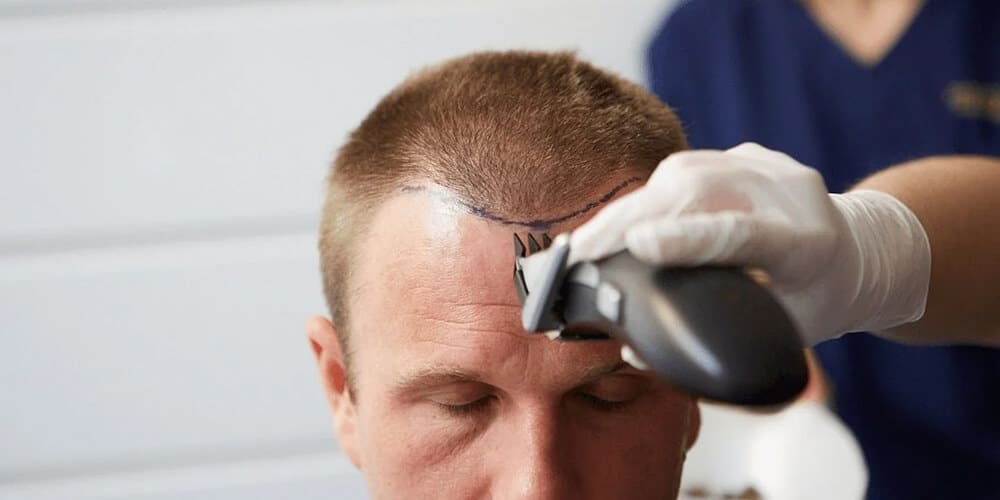
Hair transplantation is not a standardized cosmetic procedure. It is a customized medical treatment that requires careful planning based on the patient’s needs.
Factors such as the extent of hair loss, donor area condition, and the technique used all play a role in determining the overall scope of the procedure. For this reason, a single fixed price cannot accurately reflect every case.
Key Factors That Affect Hair Transplant Pricing
1. Number of Grafts Needed
One of the most significant factors is the number of grafts required to achieve the desired result.
This depends on:
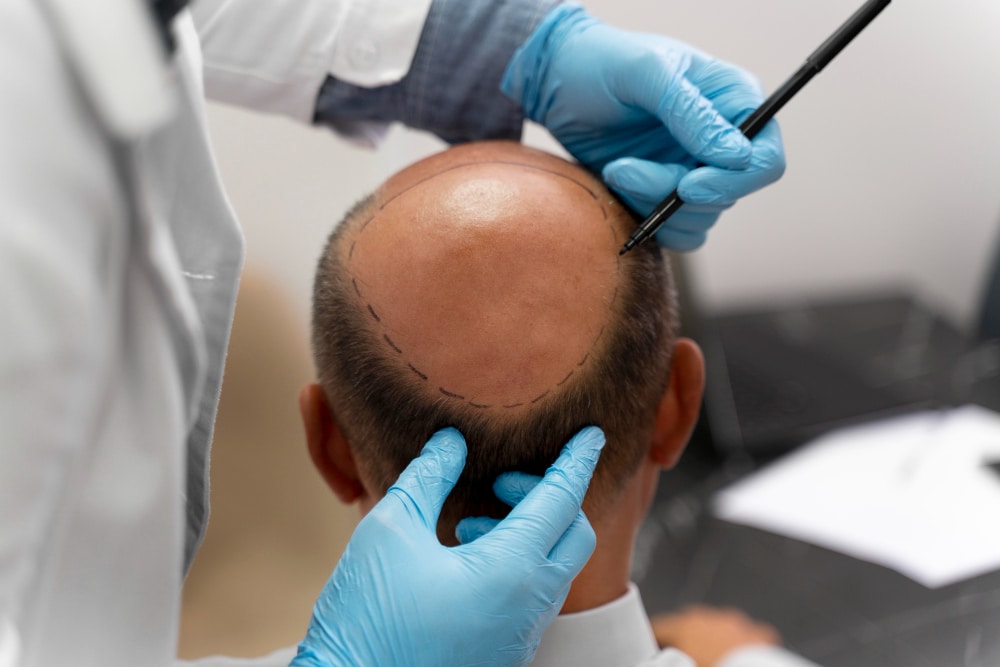
- Size of the balding area
- Existing hair density
- Desired level of coverage and natural appearance
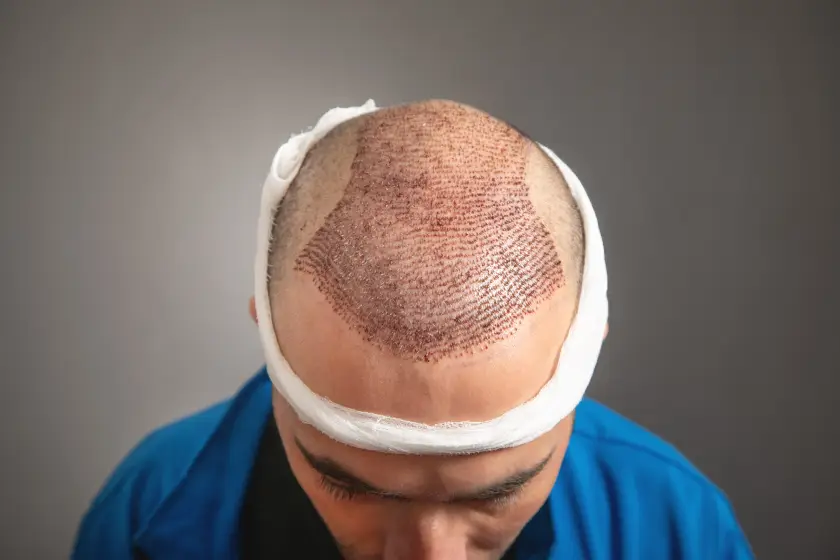
A higher graft count generally means a longer procedure time, more intensive work, and increased use of medical resources.
2. Hair Transplant Technique Used
There are several techniques used in modern hair transplantation, such as:
- FUE
- DHI
- Sapphire FUE
Each method differs in terms of:
- Equipment and tools used
- Application process
- Required expertise
These differences naturally influence the overall cost structure of the procedure.
3. Quality of the Donor Area
The condition of the donor area is crucial for planning a successful hair transplant.
- Strong, dense donor area → more efficient extraction
- Weak or limited donor area → more meticulous and advanced planning
More complex cases may require additional expertise and time.
4. Experience of the Medical Team
Hair transplantation is a procedure that combines medical skill and aesthetic judgment.
Pricing may vary depending on:
- The experience of the doctor and medical team
- The clinic’s specialization in hair restoration
- The level of personal attention given to each patient
It is important to remember that a hair transplant result is meant to last a lifetime.
5. Technology and Medical Equipment
Modern hair transplant clinics invest in advanced technology to ensure safety and natural results.
This includes:
- High-precision extraction devices
- Sapphire or specialized blades
- Sterile, single-use medical supplies
Higher standards of technology and hygiene directly affect the quality of the outcome.
6. Post-Procedure Care and Follow-Up
Some clinics offer comprehensive aftercare programs that extend beyond the day of surgery.
These may include:
- Post-operative check-ups
- Medications and care products
- Supportive treatments such as PRP
- Long-term patient follow-up
The scope of these services can influence the overall pricing approach.
Is Choosing the Cheapest Option the Right Decision?
Focusing solely on cost can sometimes lead to disappointing results. Poor planning, inexperienced teams, or low-quality materials may result in unnatural outcomes or the need for corrective procedures in the future.
When evaluating a hair transplant option, it is essential to prioritize:
- Proper planning
- Natural-looking results
- Safety and medical standards
over price alone.
How Is Hair Transplant Pricing Finalized?
Hair transplant pricing can only be determined after a personal consultation or detailed assessment. This may be done through an in-person examination or a photo/video evaluation.
Once the individual needs are clearly identified, a tailored treatment plan can be created.
Hair transplant pricing depends on multiple factors, including graft count, technique, medical expertise, and post-procedure care. Rather than looking for a fixed price, patients should focus on quality, safety, and long-term results.
A personalized approach is the key to achieving a natural and satisfying outcome.