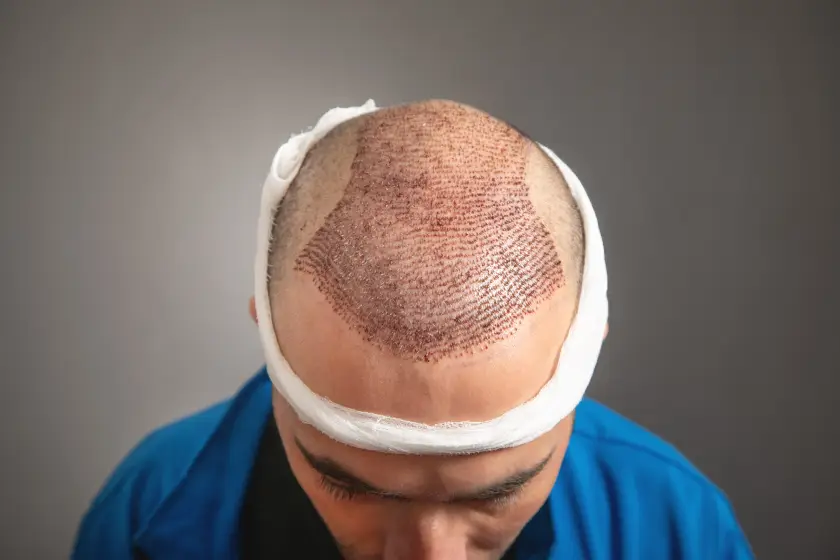

When people think about hair transplantation, most of them first focus on density. However, the true key to a successful result is a natural-looking hairline.
A hairline that is too sharp, too straight, or overly defined can make the result look artificial — no matter how many grafts were implanted.
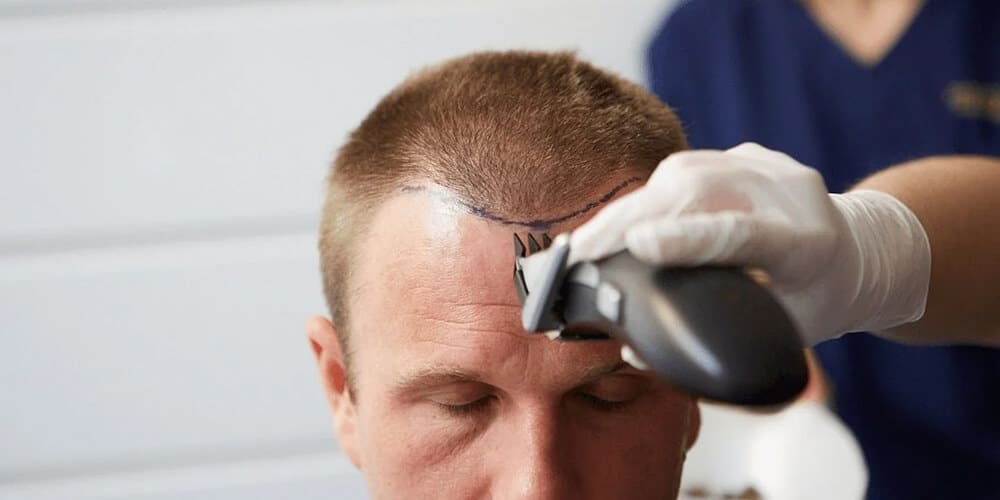
With advancing technology, new techniques, and a personalized planning approach, hairline design has entered a whole new era. So how is a “natural hairline” designed today?
Let’s take a closer look.
Why Is the Hairline So Important?
The hairline:
- frames the face
- supports facial expressions
- influences the perception of age
- determines whether the transplant looks “noticeable” or not
A poorly designed hairline can make someone look older, unnatural, or clearly “transplanted.”
That’s why the design must be carefully evaluated according to:
✔ face shape
✔ forehead size
✔ age
✔ hair characteristics
What Has Changed Compared to the Past?
In the past, hairlines were often:
- straight
- overly symmetrical
- dense and harsh
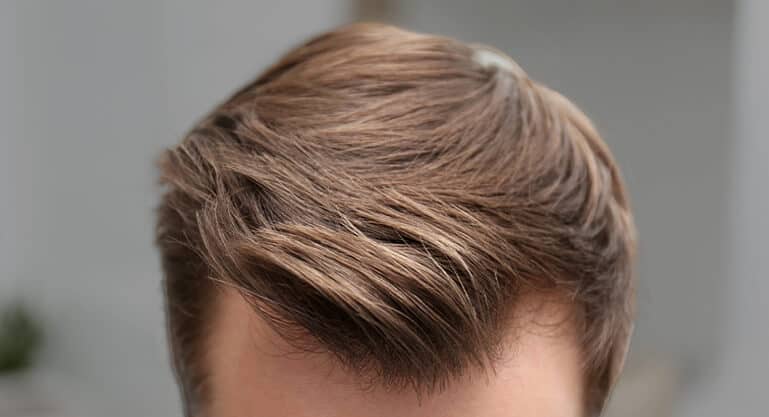
But in reality, no natural hairline looks like it was drawn with a ruler.
Today, to achieve more natural results, specialists use:
- micro-irregularities
- soft transitions
- single-hair grafts in the front
- gradual density increase toward the back
This approach helps the transplant blend seamlessly with the natural hair.
Personalized Hairline Design
The “one hairline fits all” era is over.
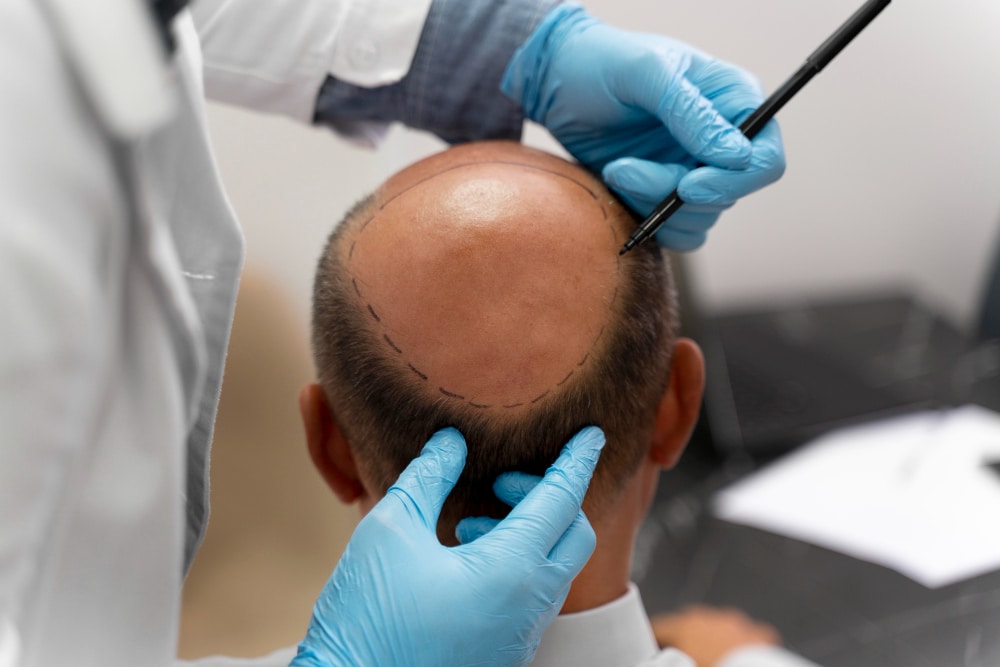
During planning, several factors are evaluated together:
👤 1. Face shape
The starting point and curvature change based on whether the face is oval, square, long, or round.
⏳ 2. Age
An extremely low and aggressive hairline on a young patient may look unnatural later in life.
🧬 3. Genetics
Family history and the possibility of future hair loss must be considered.
💇 4. Hair characteristics
Angle, density, thickness, and curl pattern affect the design.
With this mindset, the hairline is designed not only for today — but also for the future.
How Do New Technologies Help?
Recent technologies make planning more precise:
🔍 Digital hair analysis
Density, angles, and distribution can be measured digitally.
✏️ Simulation and 3D planning
Patients can preview an approximate result before the procedure.
✨ Techniques like DHI and sapphire FUE
Allow more controlled placement in the frontal zone.
This ensures that hairs are positioned with:
- natural angles
- correct direction
- appropriate density
Golden Rules for a Natural Hairline
Experts generally agree on a few key principles:
✔ Single-hair grafts in the very front
✔ Soft transitions toward the sides
✔ Gradual increase in density further back
✔ Slight asymmetry and irregularity
✔ Age-appropriate height
All of these help create the impression of naturally growing hair, not an obvious transplant.
Common Mistakes Still Seen Today
Unfortunately, mistakes sometimes still occur:
- Hairline placed too low
- Very straight, ruler-like edges
- Too many multi-hair grafts in the front line
- A design that doesn’t match the face
- Ignoring future hair loss
Such errors often require revision surgery later.
The Hairline Is the Heart of Aesthetics
Today, the goal of hair transplantation is to achieve a look that blends in naturally — one nobody can easily notice.
A well-designed natural hairline is the most critical part of that outcome.
👉 That’s why the expertise, planning, and personalized approach of the surgeon matter more than the technique alone.
This article is for informational purposes only; treatment decisions should always be made under medical supervision.