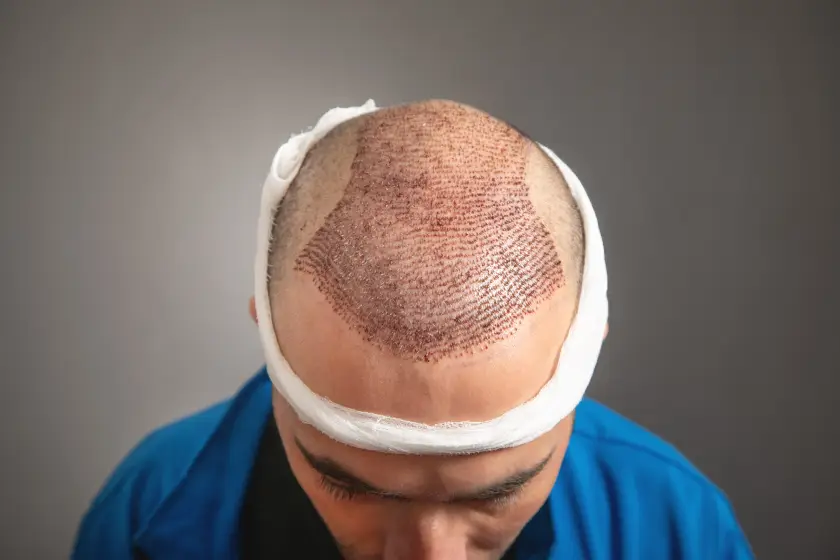

Hair loss is one of the most common aesthetic concerns affecting both men and women. Thanks to modern medical advancements, hair transplant procedures are now far more comfortable than they used to be.
But is a “painless hair transplant” truly possible?
In this article, we’ll explain what painless hair transplant means, the techniques used, and what you can realistically expect during the process.
What Is a Painless Hair Transplant?
The term “painless hair transplant” does not mean zero sensation at all. Instead, it refers to a procedure where discomfort is minimized through advanced techniques and anesthesia methods.
In the past, patients often experienced discomfort—especially during the anesthesia stage. Today, with modern technology and refined techniques, the procedure is significantly more comfortable.
How Is Pain Minimized During the Procedure?
Advanced Local Anesthesia Techniques
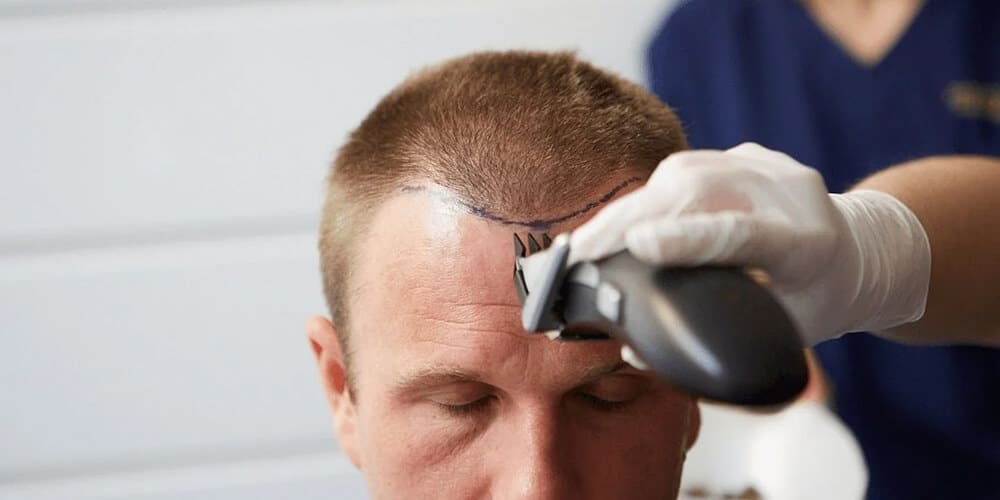
Hair transplant procedures are performed under local anesthesia. Once the scalp is numbed, patients typically do not feel pain during the operation.
Modern clinics may use:
- Ultra-fine needles
- Pressure-controlled anesthesia devices
- Vibration-assisted anesthesia techniques
These methods help reduce even the initial injection discomfort.
FUE Technique
FUE (Follicular Unit Extraction) is one of the most commonly preferred hair transplant methods today.
Key advantages:
- Individual extraction of hair follicles
- No large surgical incisions
- No stitches required
- Faster healing process
Because it is minimally invasive, post-procedure discomfort is generally mild.
DHI Technique
DHI (Direct Hair Implantation) uses a specialized implantation pen to place hair follicles directly into the scalp.
Benefits include:
- Reduced tissue trauma
- Greater implantation precision
- Shorter recovery time
This often results in less swelling and minimal post-operative discomfort.
Will I Feel Pain During the Procedure?
- Once anesthesia is applied, pain is not typically felt.
- You may experience mild pressure or movement sensations.
- The procedure usually lasts 6–8 hours.
- Breaks can be taken if needed.
With an experienced medical team and proper planning, the experience is generally comfortable.
Is There Pain After the Procedure?
Most patients report:
- Mild soreness
- Slight tenderness in the donor area
- Temporary tightness during the first night
These symptoms usually subside within 1–3 days and can be managed with prescribed pain relief if necessary.
Who Is a Good Candidate for a Painless Hair Transplant?
- Individuals with needle anxiety
- Patients who previously had an uncomfortable experience
- Those seeking a more comfortable cosmetic procedure
- Professionals who need a quick recovery
Is It Safe?
Yes—when performed by a qualified medical professional in a sterile clinical environment.
Key factors for safety:
Experienced medical team
Sterile conditions
Proper technique selection
Personalized treatment planning
A completely sensation-free experience is unrealistic. However, modern techniques have made hair transplant procedures far more comfortable and manageable than ever before.
Choosing the right clinic and technique ensures a smooth, safe, and low-discomfort experience.