
By 2026, hair transplantation is no longer just “moving hair from one place to another.”
It’s a personalized medical journey where technology, planning, and expertise work together.
When the process is rushed, results can look artificial — and sometimes create long-term problems.
In this guide, we’ll walk through the modern 2026 standards, step by step:
- Who is a good candidate?
- What tests are needed?
- How is the procedure planned?
- What happens during recovery?
- What should you avoid?
Let’s get started. 👇
1️⃣ Assessment: “Am I a Candidate?”
Rule number one in 2026: not everyone should get a hair transplant.
A proper evaluation includes:
🔍 What happens during the first consultation?
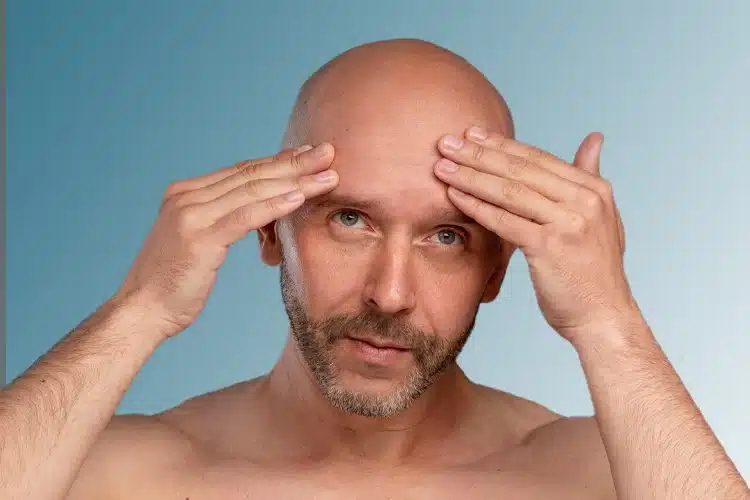
✔️ Type and pattern of hair loss (Norwood / Ludwig)
✔️ Donor area density
✔️ Hair thickness and texture
✔️ Speed of hair loss
✔️ Future hair-loss risk
✔️ Patient expectations and lifestyle
🧪 Tests that may be required
- Blood tests (glucose, infection markers, clotting, iron, B12, etc.)
- Scalp and follicle analysis
- Dermatology evaluation (if needed)
- Cardiology or internal medicine clearance for chronic conditions
2026 approach: We don’t only plan for today — we plan for the next 5–10 years.
2️⃣ Planning: Designing a Natural Look
In the past, everyone asked:
“How many grafts?”
In 2026, the right question is:
“What will look natural and sustainable?”
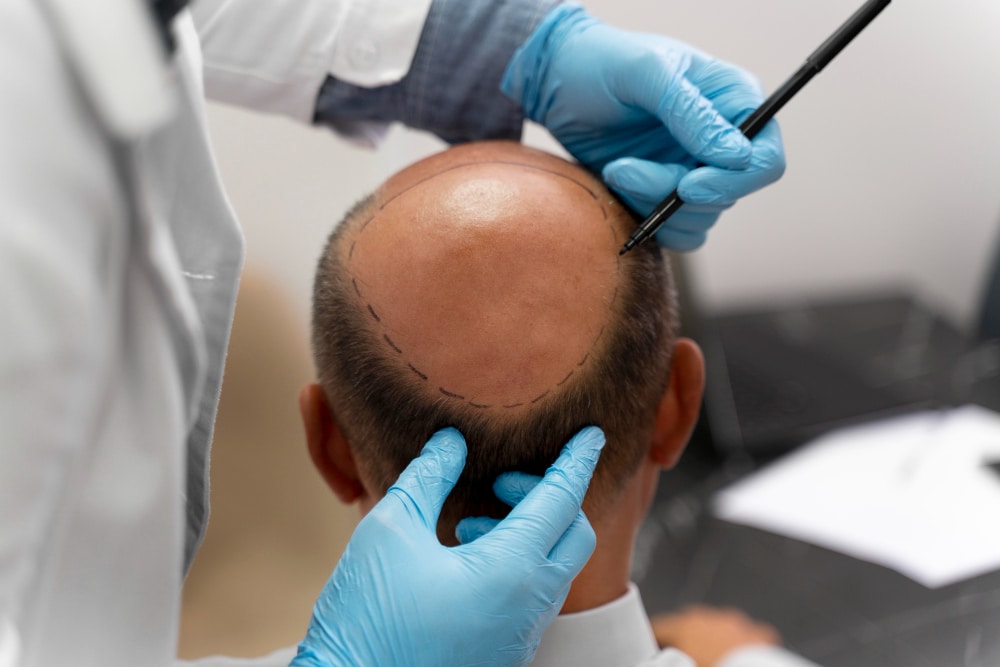
✏️ How the hairline is designed
- Facial proportions and golden ratio
- Age-appropriate positioning
- Respecting donor capacity
- Leaving room for possible future loss
🧑⚕️ Choosing the right technique
| Technique | Best For | Main Advantage |
|---|---|---|
| FUE | Most patients | Minimal scarring, faster healing |
| Sapphire FUE | Fine hair types | More precise channel opening |
| DHI | Small areas, density work | Controlled placement |
| Robotic-assisted | Large coverage plans | High accuracy and consistency |
The best method is chosen after medical evaluation — never by trend.
3️⃣ Pre-Op Preparation (7–14 Days)
🚫 Avoid
- Alcohol & smoking (ideally 10–14 days)
- Blood-thinning medications (only with doctor approval)
- Heavy caffeine
- Minoxidil or similar sprays (pause 5–7 days unless advised otherwise)
✅ Do
- Drink plenty of water
- Maintain healthy nutrition
- Sleep well
- Wear loose, button-down clothing on surgery day
4️⃣ Surgery Day: What to Expect
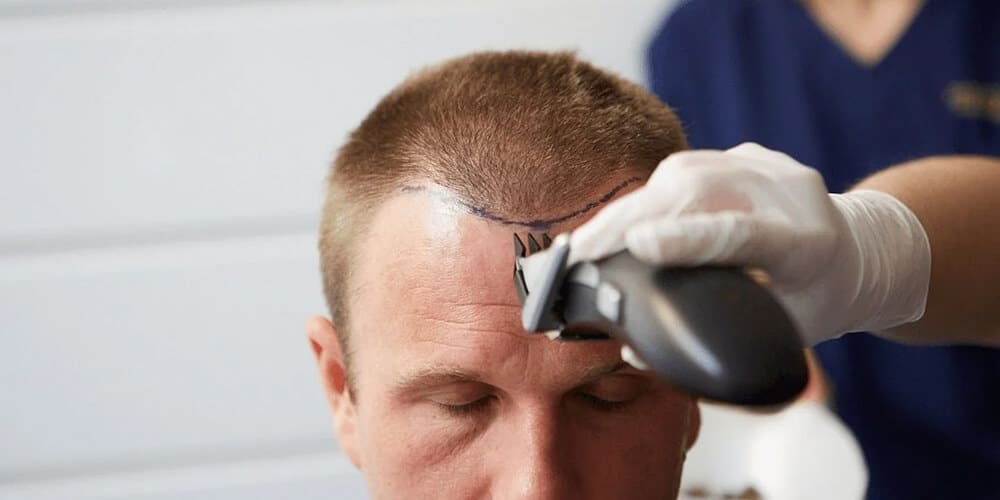
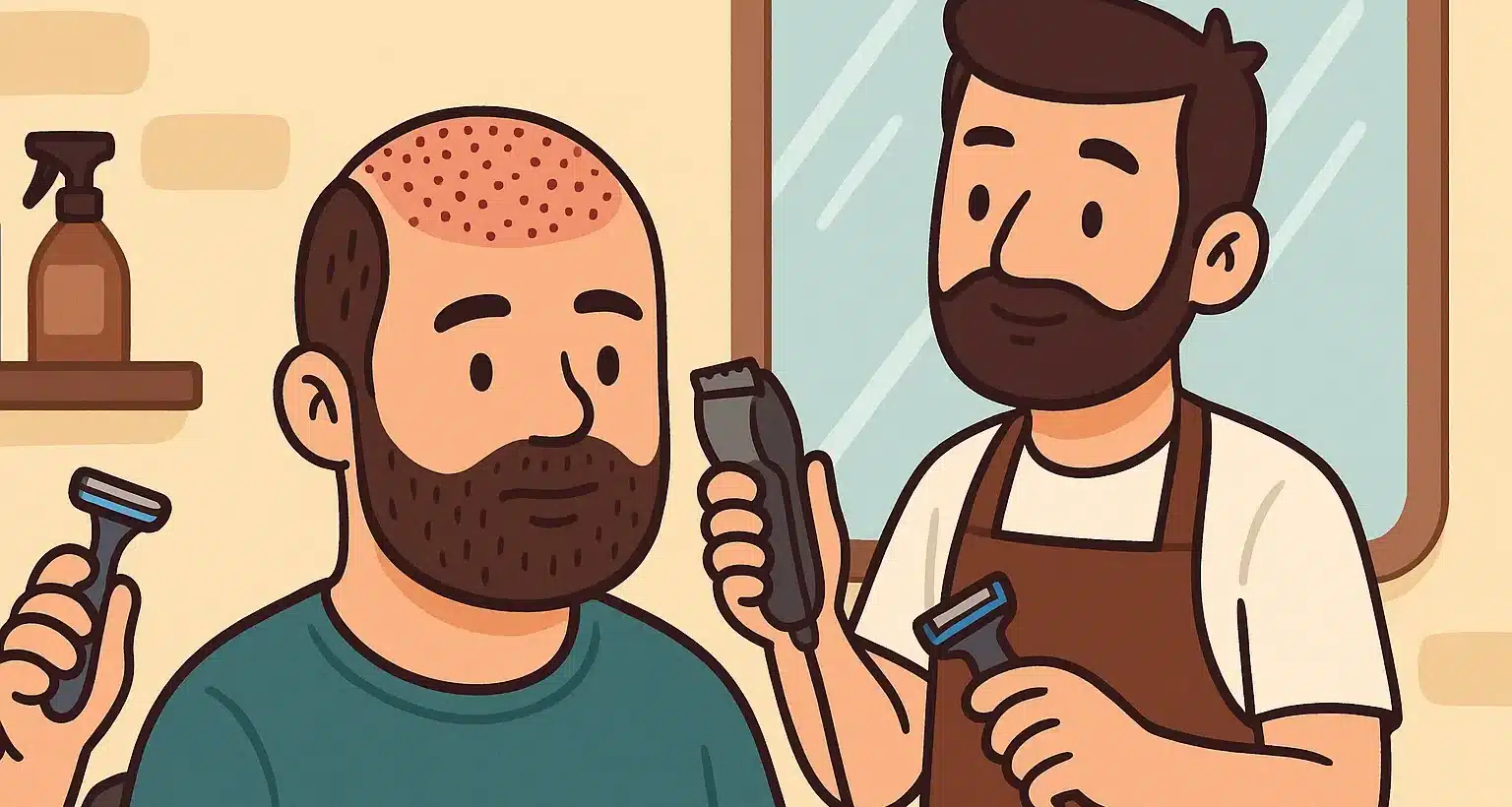
- Trimming (if needed)
- Marking and photography
- Local anesthesia
- Graft extraction
- Channel opening
- Graft implantation
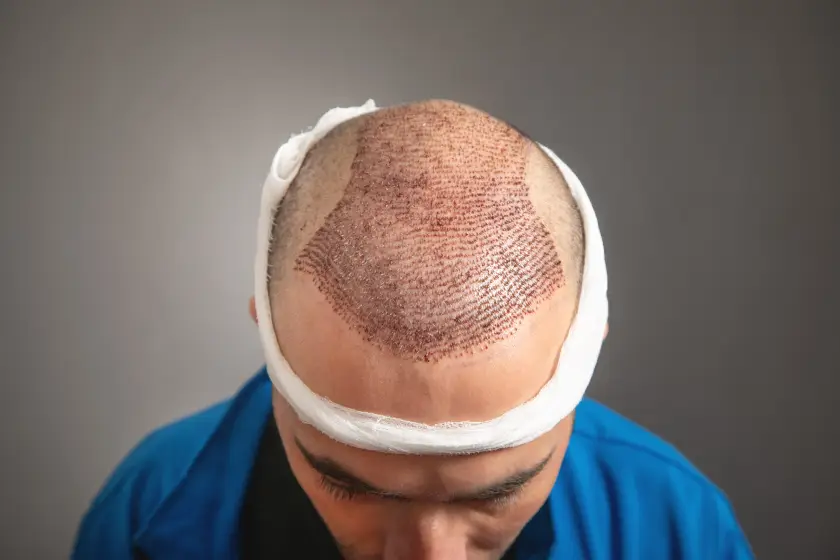
- Bandaging and first check
Average duration: 4–8 hours.
Most patients describe the procedure as pressure and mild discomfort, thanks to updated 2026 anesthesia protocols.
5️⃣ The First 10 Days: Critical Healing Phase
🩹 In the first days
- Sleep with your head elevated
- Avoid touching or rubbing the area
- No hats, helmets, or tight caps
- Do not use creams or serums unless prescribed
🚿 First wash
Usually taught at the clinic around day 2–3:
- Apply gentle foam
- Rinse with lukewarm water
- No scratching or rubbing
6️⃣ Months 1–3: Shock Loss (Totally Normal)
Most of the transplanted hair sheds.
Don’t panic — the roots remain.
- They start growing again after about 2 months
- Visible improvement begins around months 4–6
Your doctor may recommend PRP, mesotherapy, or supportive treatments when appropriate.
7️⃣ Months 6–12: Real Results Appear
- Hair becomes thicker
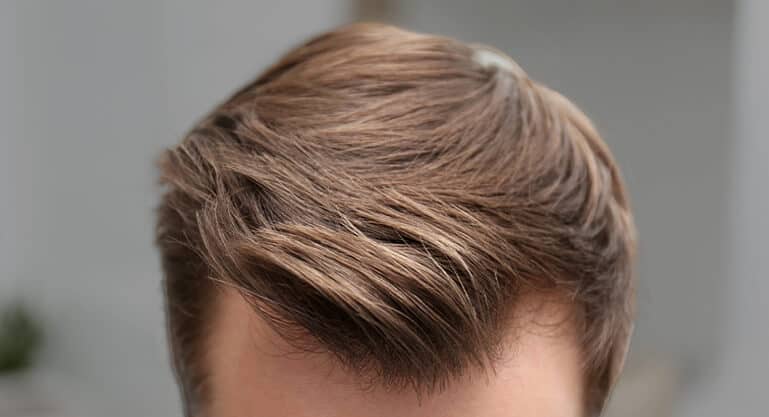
- Texture and natural wave return
- Density increases
Full results: usually 12–18 months.
8️⃣ Long-Term Care After 2026
✔️ Avoid harsh chemicals and aggressive styling
✔️ Stay away from tight hairstyles that pull the hair
✔️ Continue anti-hair-loss treatments if recommended
✔️ Annual check-ups are ideal
A hair transplant is not a one-day miracle — it’s a managed process.
Good Planning Creates Natural Results
A successful 2026 hair transplant requires:
👉 detailed assessment
👉 realistic expectations
👉 experienced surgeons
👉 long-term follow-up